

Saint Uzec menhir
Pleumeur-Bodou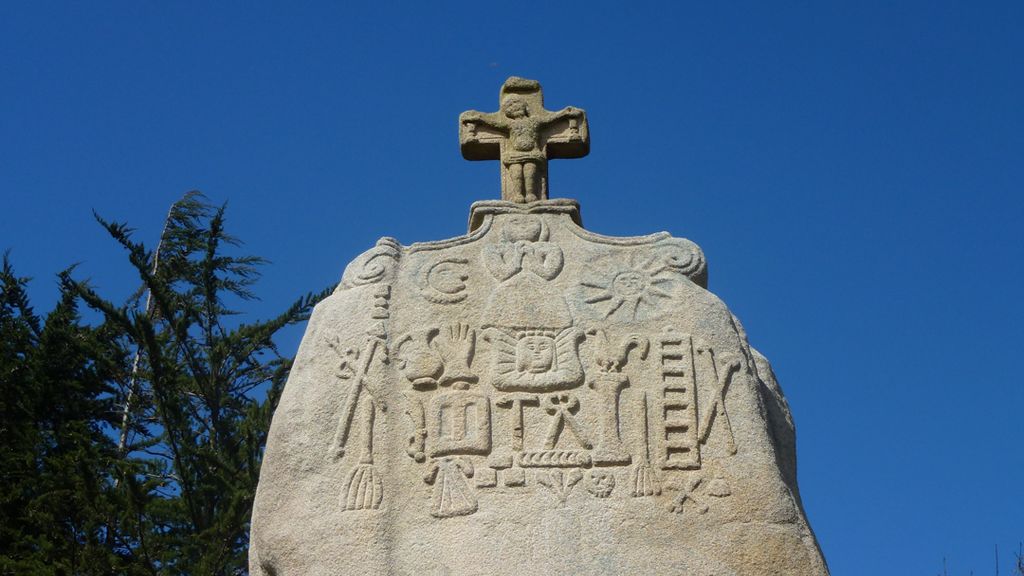
About
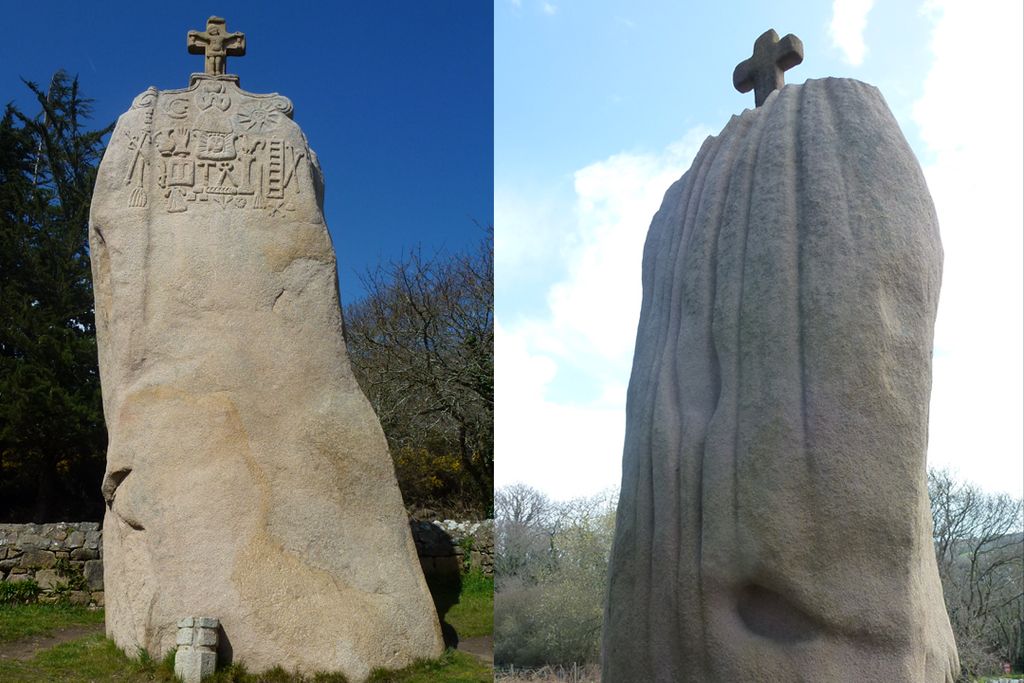
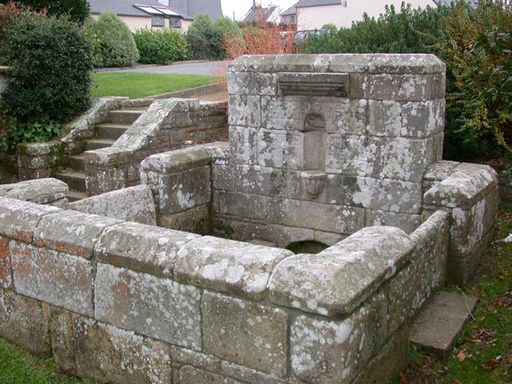
A menhir 7.40 m high and 2 m wide stands in Saint-Uzec. Imagine our Neolithic ancestors transporting this huge block of granite weighing 60 tonnes! These megaliths probably fulfilled a religious role, although our understanding of their purpose remains limited. In the seventeenth century, the Saint-Uzec menhir was Christianised. A cross was added at the top and images of the Passion carved onto the south face. Walk along the side of the Chapel dating from the sixteenth century. Further downhill, you will see a fountain. Water was drawn from this fountain to increase the milk supply of sows after they had farrowed.



Île Milliau
Trébeurden
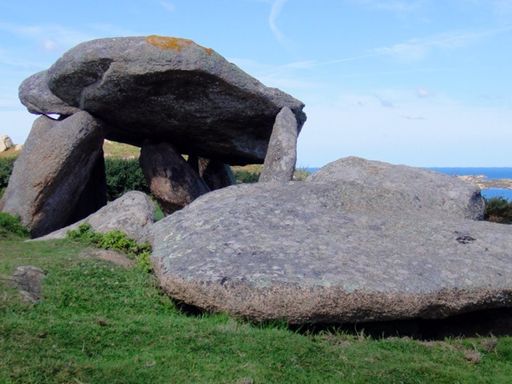
With its remarkable pink granite rock formations and darker sedimentary rocks, Île Milliau offers a landscape which takes your breath away. As well as enjoying the site's natural beauty, you can...  See
See
Prajou Menhir
Trébeurden
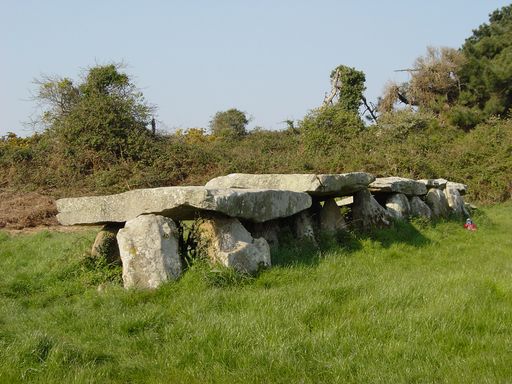
Probably dating from the third millennium B.C., Prajou-Menhir is the largest of the gallery graves in Trébeurden. It measures 14.5 metres in length and is made up of seven stone slabs. Did you know... See
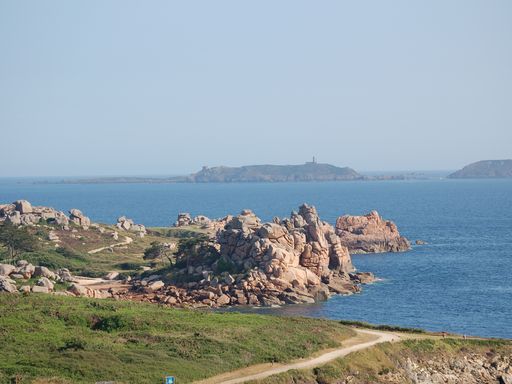
Turquet de Beauregard viewpoint
Perros-Guirec
If you visit this spot at low tide, you will be able to see two types of rocks juxtaposed. The gneiss of Trébeurden is the older rock as it goes back more than two billion years. It is recognisable... See

Bonne Nouvelle Chapel
Trébeurden
Here you will find a hamlet of traditional houses built from granite and a chapel dating from the fifteenth century, which is dedicated to Notre-Dame de Bonne Nouvelle (Our Lady of Good News), patron... See